
What we do›Support coordination
Someone whose job is to make your plan work.
For people with support coordination in their NDIS plan, or who want it there. We find the right supports, get them started and handle the NDIS side for you.
What a support coordinator does
Your NDIS plan is a budget and a list of goals. A support coordinator turns that into workers who turn up, appointments that get kept and a budget that gets used properly.
That means finding providers who are right for you, setting up the agreements, keeping an eye on the money and stepping in when something stops working. It also means being the person who knows the whole picture when the GP, the housing worker, the psychiatrist and the NDIS each only know their part.
You keep making the decisions. We make sure they happen.
Support coordination
Three kinds of support coordination
The NDIS funds support coordination at three levels. Which one is in your plan depends on how much is going on. We do all three.
Getting connected
Short-term help to understand your plan and find your first providers. It suits people who are new to the NDIS or whose plan is straightforward. The NDIS calls this Support Connection.
Keeping it working
Ongoing coordination across the year: setting up supports, checking they're delivering, adjusting when life changes and preparing for the plan review. Most people have this level in their plan. The NDIS calls this Coordination of Supports.
When several systems are involved at once
For people dealing with hospital, the courts, housing or child protection at the same time as the NDIS. A specialist coordinator holds the whole picture and plans for the risks before they turn into a crisis. This is the work Nima Care started with. The NDIS calls this Specialist Support Coordination.
In practice
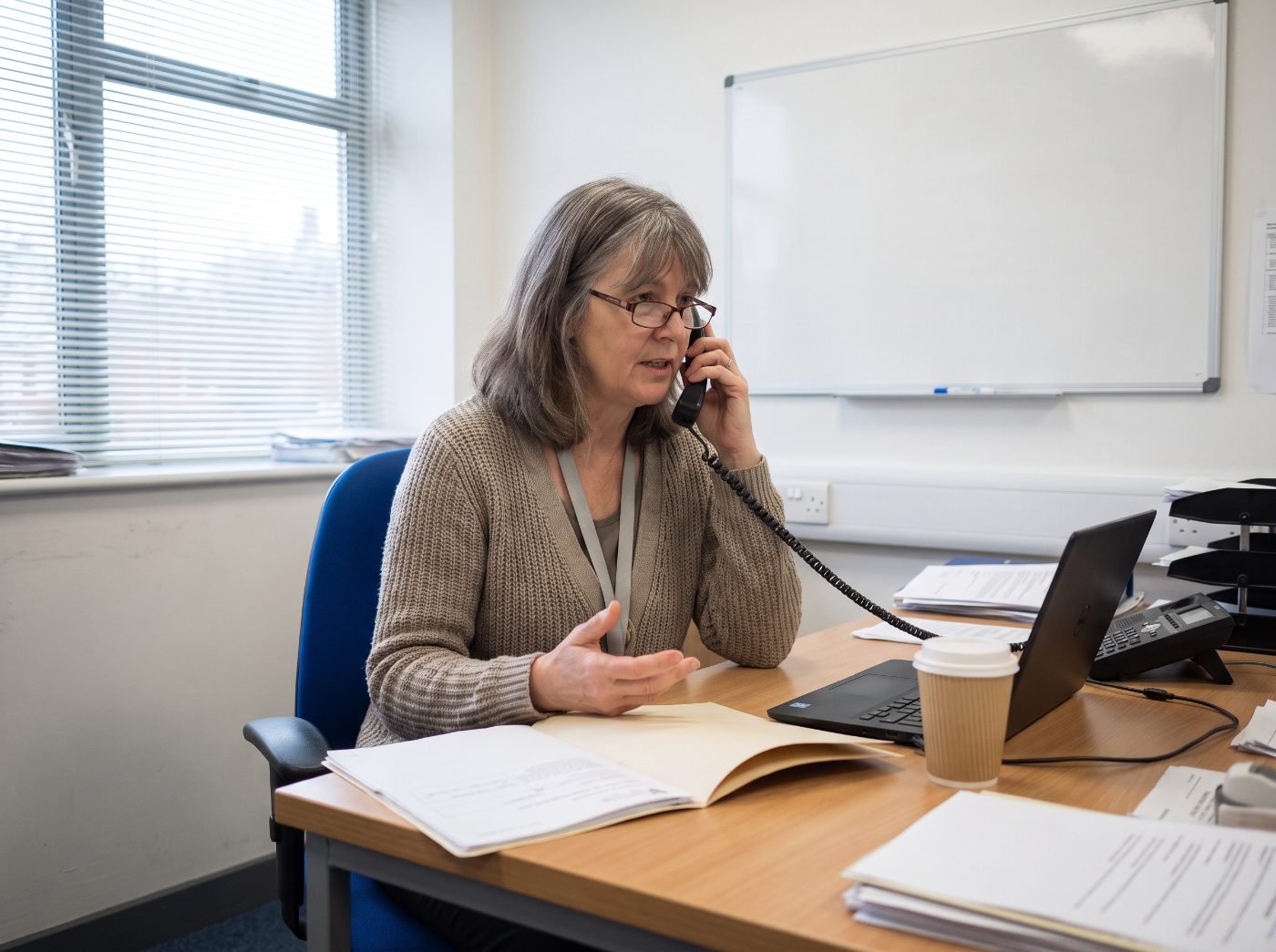
What that looks like week to week
Getting started
How it starts
You get in touch, and we meet
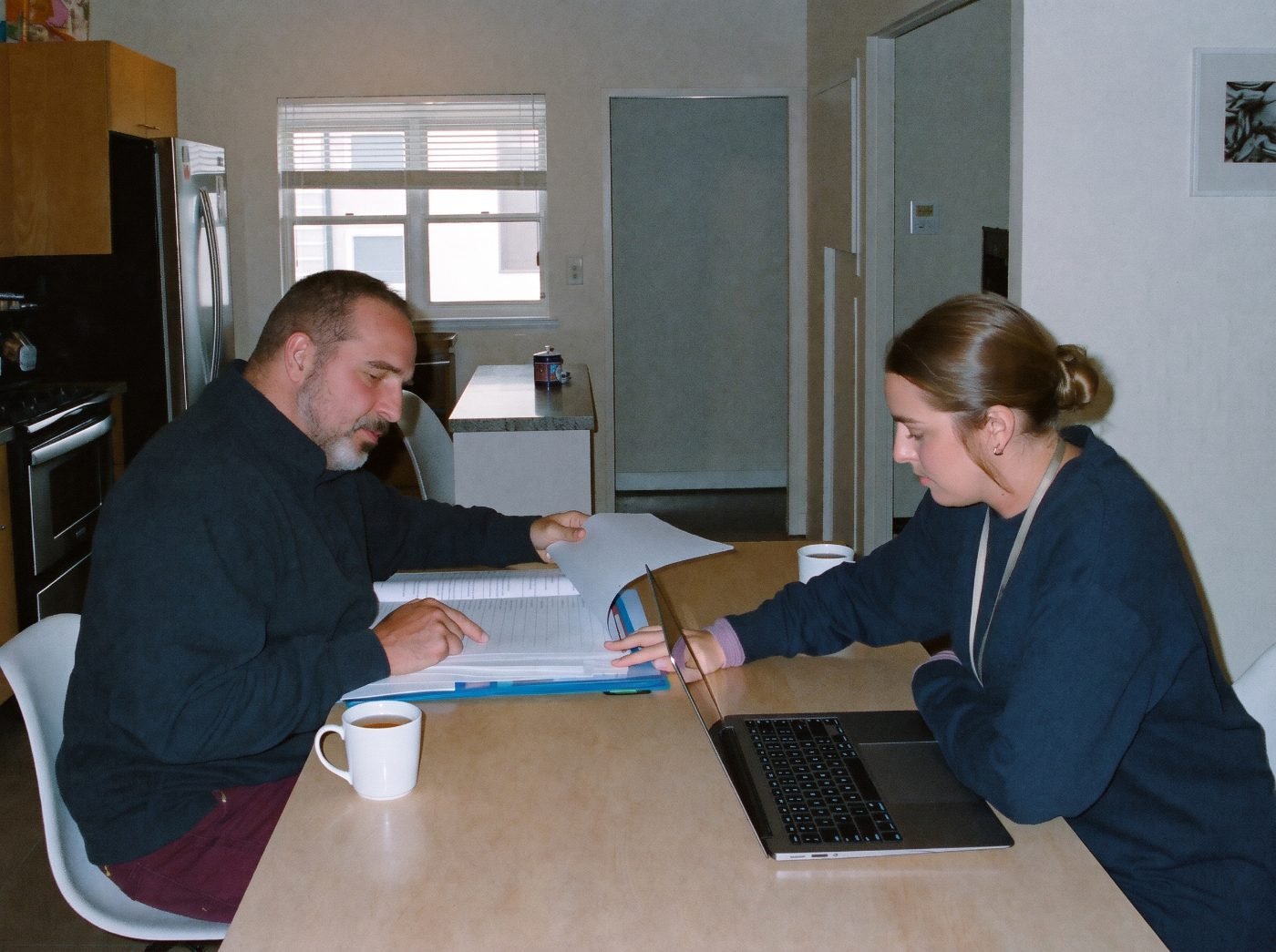
You get in touch, or someone refers you. We meet at your place, at our office, on the phone or by video. We read your plan together and you tell us what you want to be different.
We agree on the first three things
Three things that will make a difference in the first month, written down, with a copy for you. Then we check in: fortnightly to start, then at a pace you choose. You'll know what's been done and what's next.
What it costs
If support coordination is in your NDIS plan, the plan pays for it. You pay nothing yourself. If it isn't in your plan, we'll tell you how to ask for it at your next review and what evidence helps. The first conversation costs nothing.
Questions
Things people ask us
Do I have to change support coordinators to work with you?
Only if you want to. If your current coordinator is doing the job, keep them. If they aren't, changing is your right and we'll help you do it cleanly.
Can you be my support coordinator and provide my support workers?
Yes, if you choose that. Some people like one team that shares one file. Others want them separate. You decide, and we'll tell you plainly if we think another provider would serve you better for a particular support.
What if my plan doesn't have support coordination in it?
We'll tell you how to ask for it at your next review, and what evidence helps. A first conversation with us costs nothing.
Do you work with people in hospital or in custody?
Yes. We can start before discharge or release so the supports are ready on the day.
How often will I hear from you?
As often as you want. At minimum you'll know what's been done each month, and you'll have a direct number in between.
How we work
You keep making the decisions. We make sure they happen.

What we do
Other ways we can help

Support work
Support at home
Personal care, help around the house and medication prompts.

Support work
Support in the community
Appointments, routines, work and study, with someone alongside you.

Housing
Housing and supported independent living
A stable place to live, with the right support to keep it.
Talk to a person today
Call Monday to Friday, 9 am to 5 pm, or send a message any time. A person replies within 24 hours.