

NDIS support for adults with complex needs, in Melbourne.
We provide support work and support coordination for adults with psychosocial disability, acquired brain injury, intellectual disability and autism. At home, in the community, and through big changes like leaving hospital or moving house.
Where to start
Tell us who you are and we'll take it from there


I'm supporting someone
For family, partners and carers. What the NDIS covers and what we take off your plate.
Read more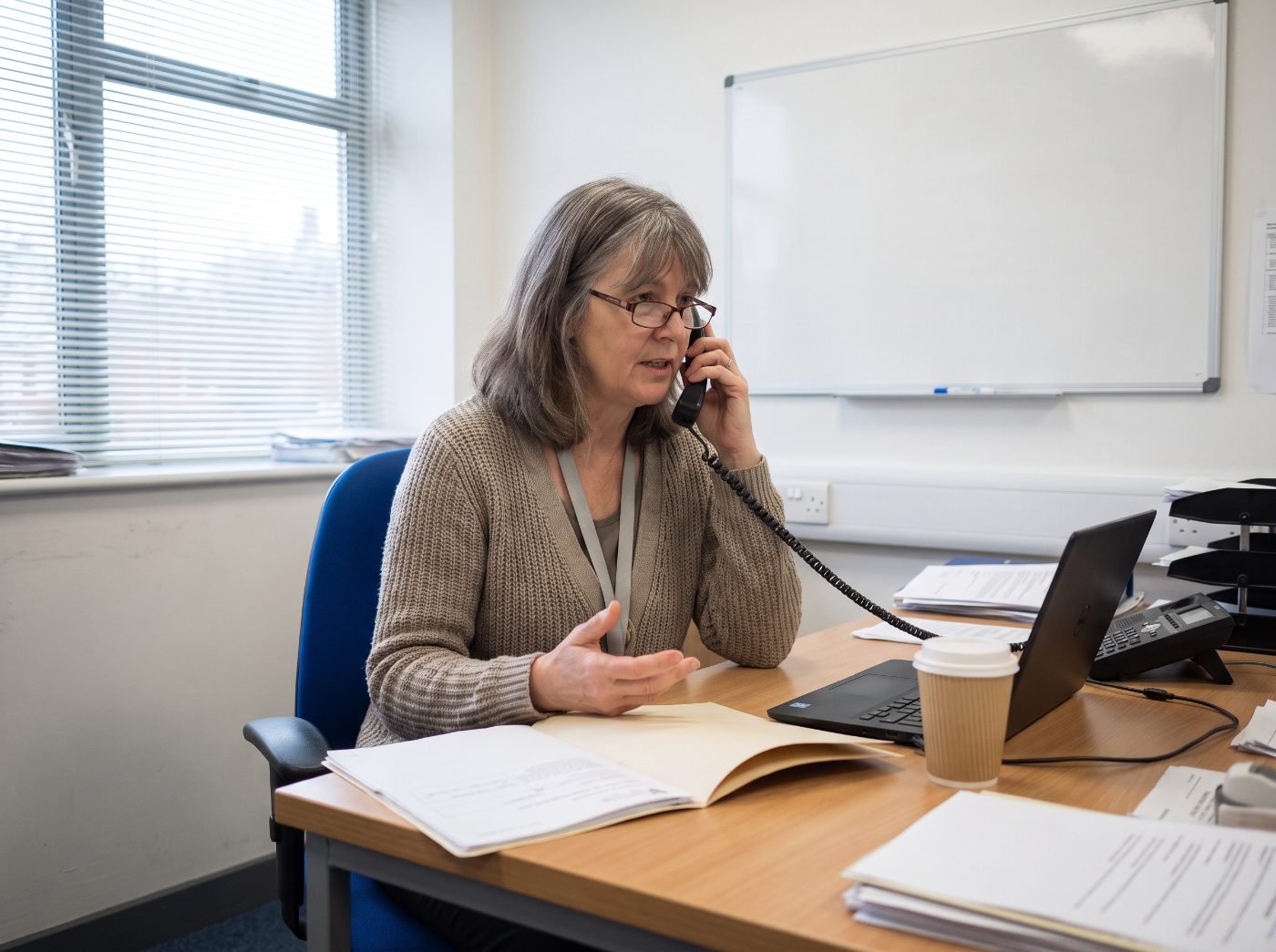
I want to refer someone
For support coordinators, NDIA planners, hospitals, housing and legal services. What we take on and how fast we reply.
Refer someoneWhat we do
The disability support, and everything around it
We provide the support work and coordinate the plan around it, so the person doesn't have to manage it all themselves.
Not sure what you need? Start here
Support work
Support at home
Personal care, help around the house and medication prompts.

Support work
Support in the community
Getting to appointments, work or study, building routines and getting out and about, with a worker alongside you.
Coordination
Support coordination
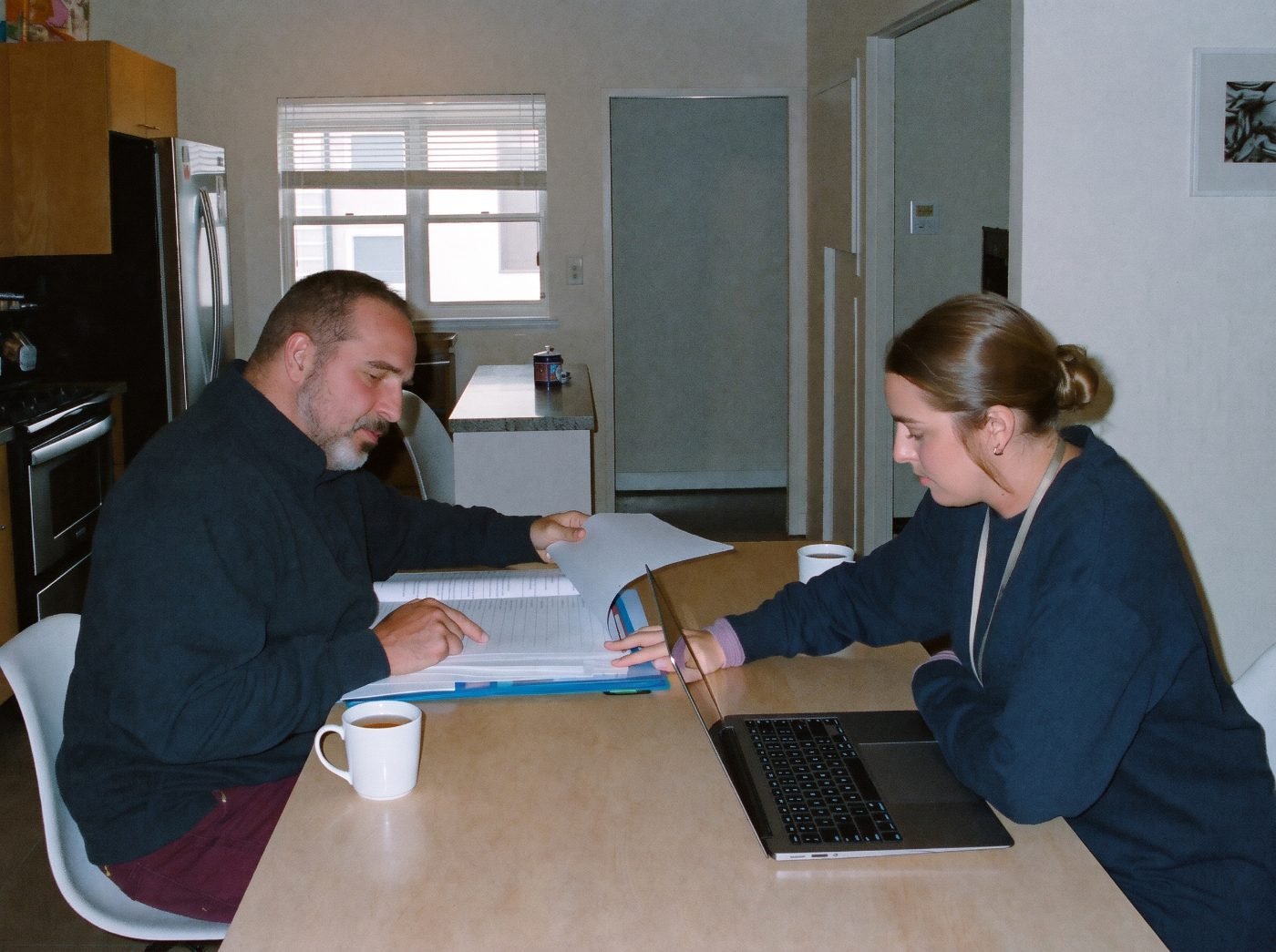
Helping you use your plan, with providers, the NDIS, Centrelink and housing.
Housing
Housing and supported independent living
Help finding and keeping a home, and 24/7 shared support for people with SIL funding.

Coordination
Getting through transitions
Leaving hospital, leaving custody or moving house. We start planning before the change happens.
Coordination
Speaking up for you
Help dealing with the NDIS, hospitals and housing services, with everything in writing and followed up.
1 / 6
Who we support
Adults with complex needs, including people who haven't found the right support fit before
Schizophrenia, bipolar disorder, complex PTSD, borderline personality disorder and other conditions that affect daily life. We support people at home and in the community, whether they're well, struggling or recently out of hospital.
About psychosocial disabilityFrom an accident, an assault, a stroke, an overdose or long-term alcohol use. Including injuries that were never formally diagnosed.
About acquired brain injuryLifelong support needs, sometimes recognised late and often underestimated.
About intellectual disabilityParticularly adults diagnosed late, or where autism sits alongside a mental health condition.
About autismYou don't need to be sober to start with us. We plan the support around alcohol and drug use.
About support alongside drug and alcohol useHow it works
Three steps to start
Call or send a referral
One phone number and one email, whoever is making contact. No referral form to hunt for.
We reply within 24 hours
A person gets back to you and tells you whether we can help and what happens next.
Support starts
You'll have a main contact from the first meeting. If something changes, you call them directly.
Situations we know well
Support that's in place before the change happens
Finding or keeping a homeHousing applications, community housing providers, and keeping a tenancy steady.
Dealing with police, courts or correctionsBefore court, in custody, at release and on a community order.
When a carer can't continueA parent getting older, a relationship ending, or a family that can't keep going the way things were.
Leaving care as a young adultWhen out-of-home care ends at 18, and the years just after.
When a plan stops workingReviews, replans, and getting the plan to reflect what you actually need.
What this looks like when it works
When it works, a person has a stable home, a plan that matches their needs, and support that holds through hospital stays, housing changes and hard weeks.

Why Nima Care
We know who to call, what to put in writing, and how long things really take
Our team has spent more than a decade in mental health, disability and justice services. In all of them we've seen a disability get misread: trouble understanding a form taken as not cooperating, distress taken as aggression. We know what that looks like, and we make sure the person is understood, in an emergency department, at a housing counter or with the NDIS.
Why people refer to us
Hospitals, support coordinators and families send people to us
Ready when it's urgent
Many referrals come at a crisis point, such as a hospital discharge or a housing loss. A person responds quickly and works out what support can be put in place.
Registered, and audited for it
We're a registered NDIS provider, audited against the NDIS Practice Standards. We're approved to manage day-to-day medication, and our team has more than a decade of experience across mental health, disability and justice services. Every worker is screened.
One phone number
Whoever makes the call, it's the same number and the same team.
365 days a year
We're rostered on public holidays, including Christmas Day and New Year's Day.
Talk to a person today
Call Monday to Friday, 9 am to 5 pm, or send a message any time. A person replies within 24 hours.